

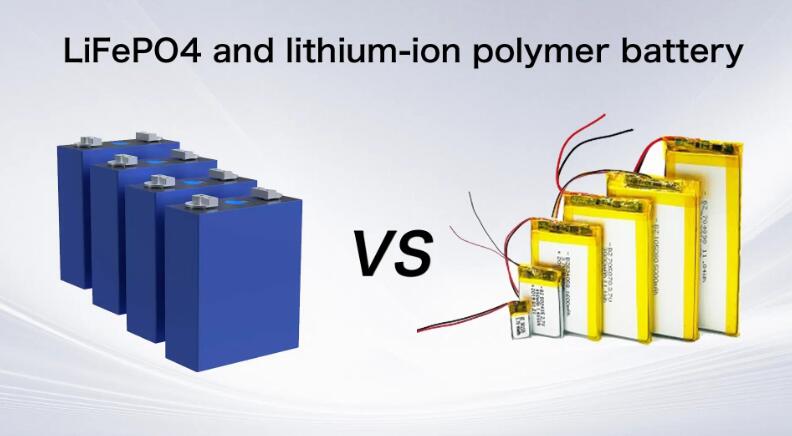
Application Range: Lithium-ion batteries are usually used in portable electronic devices such as smartphones and tablets. The energy density of lithium-ion batteries is higher than that of (LiFePO4 )lithium iron phosphate batteries. Therefore, under the condition of the same capacity, the volume of lithium-ion batteries is smaller than that of (LiFePO4 )lithium iron phosphate batteries. Thus, lithium-ion batteries are more suitable for high-power-consuming, small-sized and lightweight portable electronic devices, while (LiFePO4 )lithium iron phosphate batteries are applicable to slightly larger electric tools.
(LiFePO4 )Lithium iron phosphate batteries are widely used in electric vehicles such as golf carts, electric bicycles, electric motorcycles, electric yachts, and small electric construction machinery, as well as energy storage products due to their relatively high safety performance, high energy density, low material cost, long lifespan, large number of charge-discharge cycles and high temperature resistance. They are also widely favored by manufacturers and users.
Thermal Stability: Compared with the higher energy density lithium-ion batteries, the performance of LiFePO4 batteries can still remain quite stable in a high-temperature environment. LiFePO4 batteries will not catch fire or explode under the conditions of overcharging or overdischarging.
Charging and Discharging Rate: Moreover, the charging and discharging rate (expressed by C) of LiFePO4 batteries is better than that of lithium-ion batteries. For example, 1C means that it takes 1 hour for the battery to be fully charged or discharged, and 0.5C means that it takes 2 hours for the battery to be fully charged or discharged. The charging rate of lithium-ion batteries is 0.7C - 1C, and the discharging rate is 1C. The charging rate of LiFePO4 batteries is 1C, and the discharging rate is 1C - 25C.
Positive and Negative Electrode Materials: The positive electrode of the LiFePO4 battery is lithium iron phosphate, and the negative electrode is graphite. The positive electrode of the lithium-ion battery is lithium manganate or lithium cobaltate, and the negative electrode is graphite. The materials composing the positive electrode of the lithium-ion battery are hazardous materials. Once exposed to the air, people's eyes and skin may have allergic reactions. However, LiFePO4 is basically non-toxic, easy for enterprises to handle and more environmentally friendly.